
U'Crew Concrete: Expert cable trench installation nation wide. We create durable, accessible concrete pathways for protected electrical and communication systems.
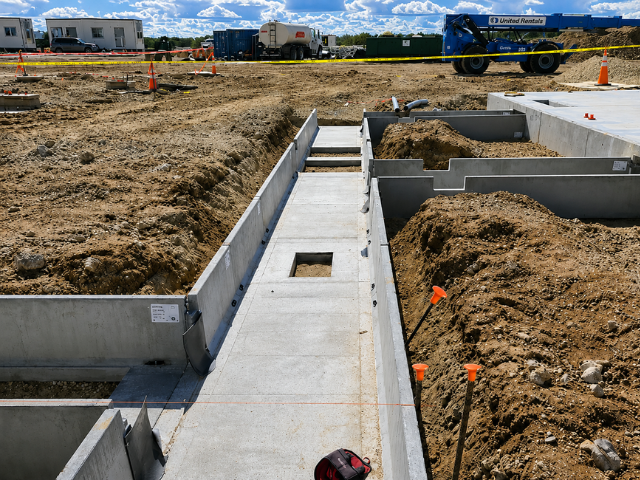
Modern infrastructure depends on organized systems hidden below the surface. Power cables, communication lines, and control wiring all need protected pathways to move safely throughout a site. These systems must remain secure, accessible, and organized for long term operation.
Cable trench installation provides that solution. It creates reinforced concrete channels where electrical and communication cables can be installed, protected, and maintained over time.
U'Crew installs cable trench systems as part of its concrete and civil construction services nationwide. Their work supports substations, industrial facilities, commercial developments, and utility infrastructure projects across the country.
Cable trench installation involves constructing reinforced concrete channels that house electrical and communication cables.
These trench systems are often covered while still remaining accessible for maintenance and future upgrades.
The trench creates a protected environment for wiring. It helps organize cables while shielding them from soil pressure, moisture, weather exposure, and heavy equipment activity.
Unlike buried conduit systems, cable trenches allow easier access to cables when maintenance or upgrades are needed.
This makes cable trench installation especially useful for substations, industrial facilities, and utility infrastructure projects.
Electrical and communication systems are critical to modern infrastructure. When cables become damaged or disorganized, it can lead to downtime, safety issues, and expensive repairs.
Cable trench systems help prevent these problems by creating structured pathways that protect and organize wiring systems.
The reinforced concrete structure helps shield cables from external stress while supporting long term durability.
Cable trench systems also simplify maintenance because technicians can access the cables more easily than traditional buried systems.
Because of these advantages, cable trench installation remains an important part of utility and infrastructure construction.
Construction environments vary greatly across the country. Soil conditions, moisture levels, drainage requirements, and weather exposure all influence underground infrastructure systems.
U'Crew brings nationwide experience to cable trench installation projects. Their crews understand how to prepare sites and construct trench systems designed for long term reliability.
This experience becomes especially important in substations and industrial facilities where electrical systems support critical operations.
Careful planning and construction help ensure trench systems remain stable and accessible for many years.
Cable trench installation involves several stages designed to create a strong and dependable system.
Every project begins with a detailed layout plan. Engineers determine where cables need to run and how the trench system will connect equipment, buildings, and infrastructure throughout the site.
Crews mark the trench locations carefully to ensure the installation follows the project design accurately.
Proper layout is important because the trench system must align correctly with transformers, breaker pads, control buildings, and utility systems.
Accurate planning helps support reliable operation once the infrastructure is complete.
Once the layout is complete, excavation begins.
Trenches are dug to the required depth and width based on project specifications and cable system requirements.
The trench base is then prepared carefully. This may include leveling the surface and compacting the soil to create a stable foundation beneath the concrete structure.
Proper base preparation helps reduce shifting and improves long term structural stability.
After excavation is complete, forms are installed to shape the concrete trench system.
These forms define the walls, floor, and dimensions of the trench.
Reinforcement steel is then placed throughout the forms. Rebar helps strengthen the concrete and improve its ability to resist cracking and external pressure.
This reinforcement becomes especially important in projects where the trench system must withstand heavy equipment loads or demanding environmental conditions.
Concrete is then poured into the forms to create the trench structure.
U'Crew crews carefully place the mixture to ensure even coverage and consistent structural strength throughout the trench.
Vibration tools help remove trapped air pockets and improve concrete density.
The surfaces are finished to create smooth trench walls and level floors that support organized cable installation.
Once the concrete is in place, the curing process begins.
After curing is complete, trench covers are installed to protect the cables inside the system.
These covers help shield the trench while still allowing maintenance access when needed.
Access points are built into the trench system so crews can inspect, maintain, or upgrade wiring systems in the future.
This accessibility helps support long term infrastructure flexibility.
Cable trench systems are often integrated directly into larger concrete construction projects.
They may run alongside transformer pads, breaker pads, substations, equipment foundations, and structural slabs.
U'Crew coordinates cable trench installation with surrounding concrete work to create organized and connected infrastructure systems.
For example, trench systems may connect transformers, breakers, control buildings, and utility structures throughout a substation.
This coordination helps create a complete infrastructure network designed for efficient operation.
Cable trench installation is commonly used in utility, industrial, and infrastructure construction projects where organized cable management is essential.
Substations rely on organized cable systems to connect transformers, breakers, and control equipment.
Cable trenches provide protected and accessible pathways for these systems.
They help support safer operation while simplifying future maintenance.
Industrial facilities often contain large and complex electrical systems.
Cable trench systems help organize and protect these wiring networks while reducing the risk of cable damage.
This becomes especially important in environments with heavy equipment and high power usage.
Large commercial developments may also use cable trench systems to support electrical and communication infrastructure.
These systems help organize wiring while supporting long term reliability and maintenance access.
Imagine a new utility substation being constructed to support expanding commercial and industrial development.
Before electrical equipment can operate, the site must first be prepared with organized cable infrastructure.
U'Crew crews begin by laying out trench paths throughout the site. Trenches are excavated and prepared with compacted bases.
Forms and reinforcement steel are installed before concrete is poured to create the trench structure.
After curing, trench covers are installed and electrical crews begin routing cables through the protected system.
Once complete, the trench network provides organized and accessible pathways that support safe utility operation.
Cable trench systems must withstand environmental exposure and operational demands for many years.
Heat, moisture, soil movement, heavy equipment, and changing weather conditions all place stress on infrastructure systems.
Reinforced concrete provides the durability needed for long term trench performance.
Proper drainage, reinforcement, curing, and base preparation all contribute to the strength and reliability of the finished structure.
These details help ensure the trench system remains stable and accessible over time.
Cable trench installation may remain hidden beneath the surface after construction is complete, yet it plays a major role in supporting organized electrical infrastructure.
Structured cable pathways help reduce maintenance challenges while protecting critical electrical and communication systems.
U'Crew contributes to these projects by installing reinforced cable trench systems designed for long term performance nationwide.
Their work supports substations, industrial operations, utility infrastructure, and commercial developments across the country.
Beneath many utility sites, substations, and industrial facilities are organized trench systems quietly carrying power and communication lines every day.
These concrete structures help protect the infrastructure that modern systems depend on.
Across the nation, cable trench installation supports safe, organized, and reliable electrical infrastructure that powers businesses, industries, and communities every day.