Concrete civil works support nationwide infrastructure with durable foundations, equipment pads, structural slabs, and drainage systems. U'Crew delivers reliable solutions for commercial, industrial, utility, and infrastructure projects across the nation.
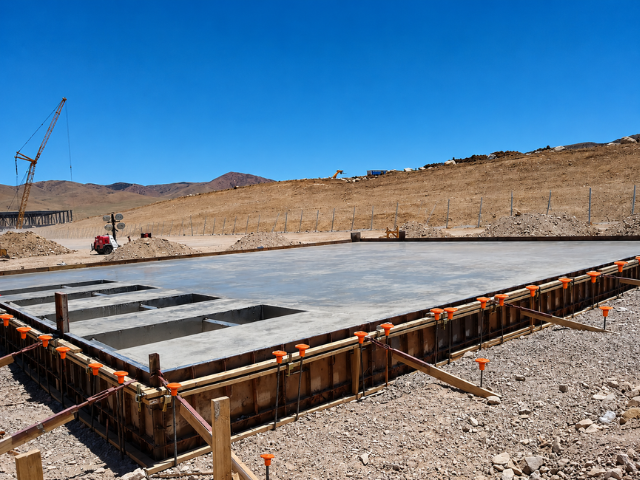
Strong communities depend on strong infrastructure. Roads, drainage systems, utility installations, substations, and industrial facilities all rely on well built concrete structures. These projects form the backbone of modern development and essential services.
U'Crew helps make these projects possible. Their crews provide concrete civil works that support construction across commercial, industrial, utility, and infrastructure environments. From equipment pads to structural slabs, their work helps prepare the ground for projects that keep businesses and communities moving forward nationwide.
Concrete civil works refers to the structural concrete used in infrastructure and large scale construction projects. These projects are often connected to utility systems, transportation infrastructure, industrial facilities, substations, and commercial developments.
Unlike standard residential concrete work, civil construction often involves larger foundations, reinforced slabs, structural pads, containment systems, and drainage structures designed to support heavy loads and long term use.
These projects require careful planning and accurate installation. Concrete must be placed correctly so structures remain stable and dependable for years.
Concrete civil works supports everything from electrical systems to transportation infrastructure.
Concrete plays a major role in infrastructure projects across the nation. Construction environments must handle heavy equipment, changing weather conditions, and constant daily use.
Concrete is widely used because it provides long lasting strength and durability. It performs well under heavy loads and requires minimal maintenance once installed.
Civil construction projects may include utility foundations, equipment pads, structural slabs, and reinforced drainage systems designed to support critical infrastructure.
Every project begins with the same goal: build a structure designed for long term performance.
Large infrastructure projects require contractors who understand different construction environments and project demands. Soil conditions, weather exposure, drainage patterns, and structural loads can vary greatly from one region to another.
U'Crew brings nationwide experience to these projects. Their crews understand how to prepare sites and install concrete structures that support long term stability.
This experience becomes especially valuable on utility and industrial projects where concrete foundations must support heavy equipment and critical systems.
For example, a commercial or utility site may require reinforced concrete structures capable of supporting transformers, industrial machinery, or electrical infrastructure.
Proper preparation and installation help prevent shifting, cracking, and long term structural issues.
Before concrete is poured, the site must be prepared carefully. This process creates the foundation for every structure that follows.
The first step involves grading and leveling the site. Uneven ground can create problems for structural concrete, so the area must be shaped correctly.
Crews remove debris, adjust elevations, and compact the soil. Compaction strengthens the ground beneath the concrete and reduces the chance of future settling.
Soil conditions vary across different project locations, which is why proper preparation is critical for long term stability.
Once the site is prepared, forms are installed to shape the concrete structures. These forms define the exact dimensions required for the project.
Reinforcement steel is then placed inside the forms. Rebar grids and steel supports increase strength and help the concrete resist cracking under heavy loads.
This reinforcement becomes especially important in concrete civil works where equipment, vehicles, or utility systems place constant stress on the finished structure.
The concrete pouring stage requires coordination and precision. Concrete must be placed evenly so the structure maintains consistent strength across the entire surface.
U'Crew crews carefully spread the mixture and use vibration tools to remove trapped air pockets. This helps the concrete settle tightly around the reinforcement steel.
Once placed, the surface is leveled and finished. Many civil projects require extremely flat and accurate surfaces so equipment and infrastructure systems can be installed properly.
After finishing, the curing process begins.
Concrete does not reach full strength immediately after pouring. The curing process allows the material to harden gradually and develop structural integrity.
Temperature and moisture both affect curing conditions. Hot weather, freezing temperatures, and changing environments all require careful monitoring during this stage.
Crews protect the fresh concrete to ensure proper curing. This process helps the finished structure resist cracking, weather exposure, and long term wear.
Once curing is complete, the concrete becomes a durable part of the project infrastructure.
Concrete civil works covers a wide range of construction services. Many of these projects support critical infrastructure systems that operate every day.
Utility systems depend on reinforced concrete foundations and pads to support electrical and communication equipment. Substations, transformers, grounding systems, and utility installations all require durable structural support.
These foundations must support heavy equipment while maintaining alignment and stability.
Industrial facilities often operate large machinery and heavy equipment that require reinforced concrete foundations.
Concrete pads provide the strength needed to support this equipment safely. Proper installation also helps reduce vibration and maintain equipment alignment.
Commercial and industrial buildings often rely on reinforced slabs and foundations as the base of the structure.
These slabs must support walls, equipment, storage systems, and daily operations while remaining level and stable over time.
Water management is another important part of civil construction. Concrete drainage systems, culverts, and channels help direct stormwater safely away from buildings and infrastructure.
These systems help protect projects from erosion and water damage.
Imagine a new industrial and utility facility being developed. Before buildings and equipment can be installed, the site must first be prepared with structural concrete infrastructure.
Crews begin by grading the land and compacting the soil. Equipment pads are formed for utility systems and industrial machinery. Reinforced slabs are poured for storage areas, substations, and structural foundations.
Once the concrete work is complete, the rest of the project can move forward with confidence.
The buildings, utility systems, and infrastructure all depend on the structural concrete installed during the early stages of construction.
Infrastructure projects must be built to handle changing environmental conditions. Heat, freezing temperatures, moisture, and heavy use all place stress on construction materials.
Concrete civil works must be designed with these conditions in mind. Reinforcement steel, proper curing, drainage planning, and quality materials all contribute to long term durability.
When these factors are handled correctly, concrete structures can continue supporting infrastructure for decades.
Infrastructure continues to expand as industries, utilities, and communities grow across the country. These projects require dependable concrete construction that supports long term performance.
Concrete civil works helps create the structural backbone for that growth. Beneath roads, substations, buildings, and industrial systems are carefully built concrete structures supporting daily operations.
U'Crew contributes to these projects by installing structural concrete designed for modern infrastructure demands.
Their work helps support projects that serve businesses, utility systems, and communities nationwide.
Many concrete structures are rarely noticed once construction is complete. They sit beneath equipment, buildings, substations, and infrastructure systems quietly doing their job every day.
Yet these structures are essential to the success of modern construction and utility projects.
Across the nation, concrete civil works provide the foundation for infrastructure that powers industries, supports businesses, and keeps systems operating safely and reliably.